
Zambia to Seal New IMF Deal After August Vote, Minister Says
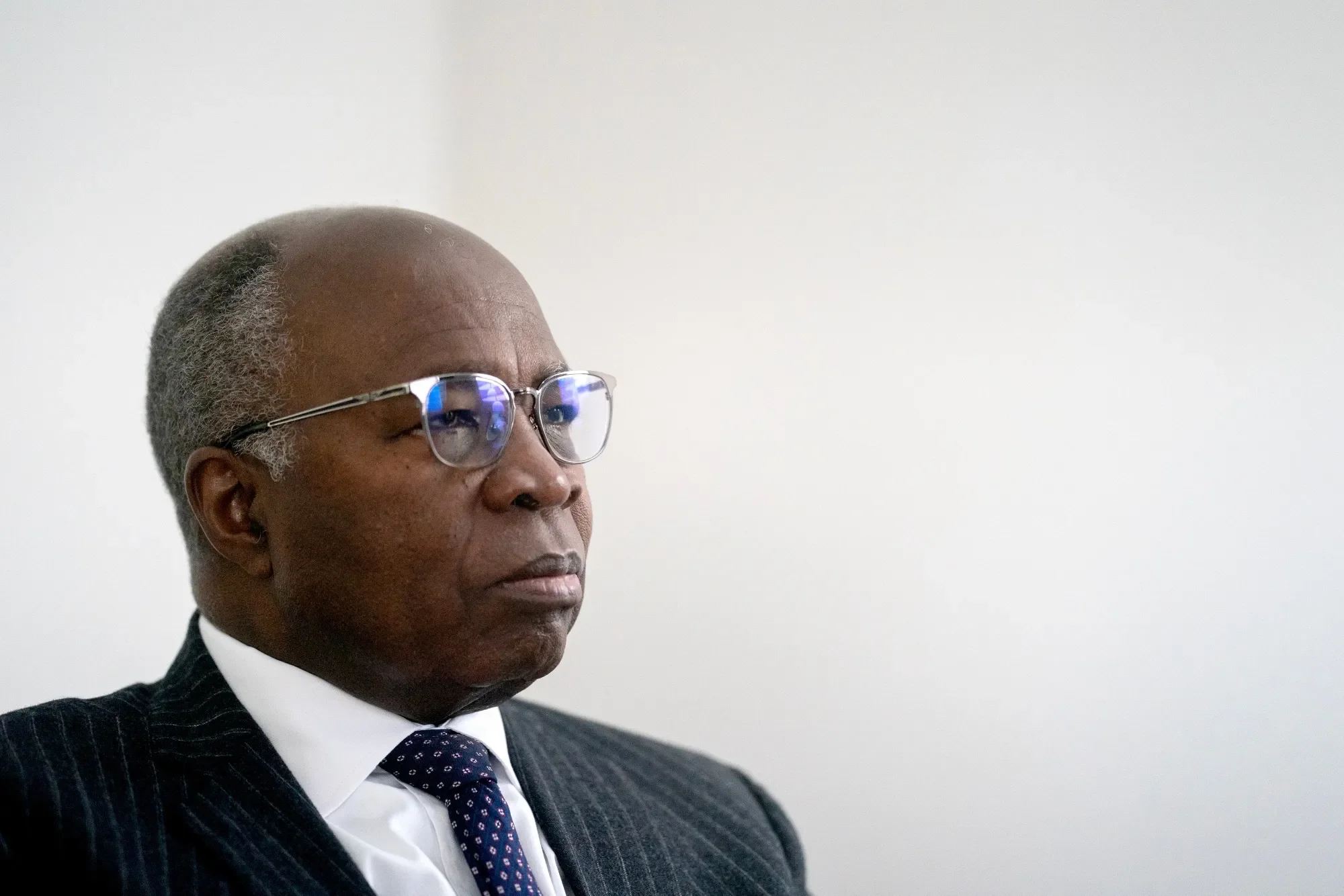
Bloomberg reports that Zambia will begin negotiations with the International Monetary Fund on a new economic program almost immediately, though any agreement is expected to be finalized only after the country’s general elections in August.
Zambia will begin talks with the International Monetary Fund about a new economic program “almost immediately,” but they will only be finalized after general elections set for August, the nation’s finance minister said.
“The IMF would like to negotiate with a government that has time to implement what has been negotiated,” Situmbeko Musokotwanesaid in an interview in Cape Town on Tuesday in which he disclosed a timeline for the talks with the Washington-based lender for the first time.
Zambian President Hakainde Hichilema will seek a second term in the vote. He took office in 2021 after the previous government had defaulted on its debt, and quickly moved to secure an IMF deal that underpinned a lengthy public-debt restructuring. That program expired in January and with the economy having stabilized, the next one will likely focus on boosting growth and job creation.
Read More: Zambia Plans to Seek New IMF Loan With Election Deadline Looming
The administration initially planned to seek a one-year extension to the $1.7 billion, 38-month extended-credit facility before announcing last month that it had opted to rather pursue a new one. Questions were raised about whether it would be possible to seal a deal before the parliament dissolves in May ahead of the election.
Musokotwane has previously stressed the government will continue on its path of fiscal consolidation that began in 2022, even without an IMF program in place. Its coffers should get a boost from the surge in the price and output of copper, which accounts for more than 70% of exports.
Read More: Zambia Restates Copper Ambition After Posting Record Output
On the other hand, spending is set to rise following a constitutional amendment that increased the number of parliamentary constituencies.
“Definitely we’ll have to have a supplementary” budget this year to accommodate that, Musokotwane said.
This article originally appeared in Bloomberg.