As the Mines Grow, Zambians Benefit - HH
President Hichilema tells the Financial Times how policy stability has turned Zambia’s copper into jobs, revenue and falling prices for ordinary citizens.
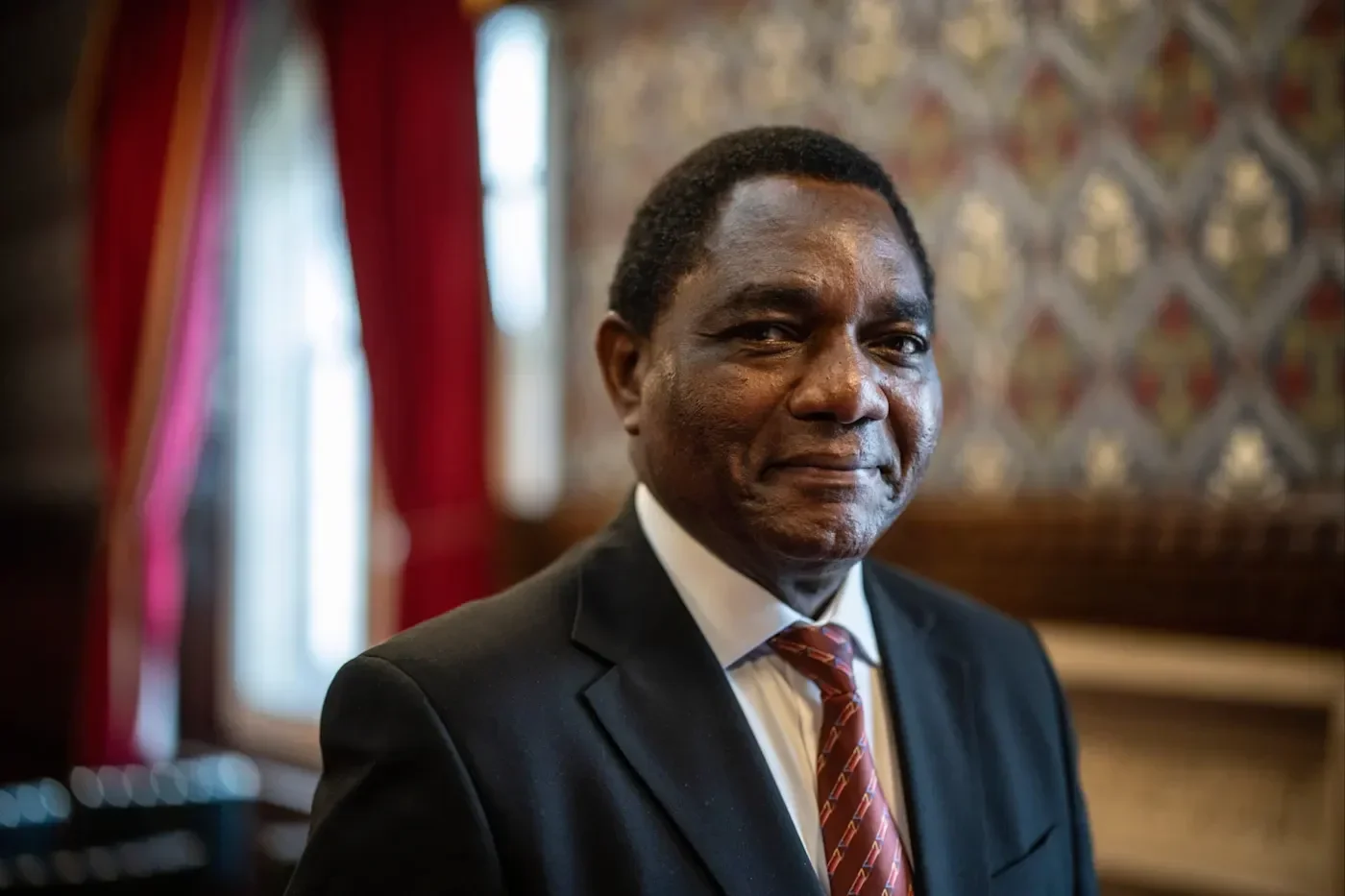
In a major interview with the Financial Times, President Hakainde Hichilema set out how the New Dawn government has transformed Zambia’s mining sector from what he described as “comatose” into one of Africa’s most dynamic investment destinations — and explained why that transformation matters for every Zambian household.
The numbers tell a striking story. More than $12 billion has been invested in mining since 2021. Copper output is on track to reach one million metric tonnes this year, with a target of three million by 2031 — which would make Zambia the continent’s largest producer. Major commitments include $1.1 billion from the UAE’s International Resources at Mopani, a $2 billion expansion by Barrick at Lumwana, and $1 billion from Vedanta at Konkola after the previous government’s botched seizure was reversed.
But for ordinary Zambians, the critical question has always been whether wealth in the ground translates into a better life above it. President Hichilema was direct on this point. “You cannot get milk from a stone,” he told the FT. “If you kill businesses through over-taxation, they will not be there to deliver revenue. We want to grow with the mines — and as they grow, the Treasury grows.”
That Treasury growth is already reaching citizens. Inflation fell to 7.5 per cent in February — inside the central bank’s target band for the first time in nearly seven years. The Bank of Zambia responded with its largest interest rate cut since 2020. The Kwacha has rallied 17 per cent year-to-date. More than 30 manufacturers have voluntarily reduced prices on essential goods including mealie meal, sugar and cooking oil. These are not abstract indicators. They are the cost of feeding a family.
The President also described a “sea change” in how African countries negotiate with mining investors. With global demand for copper surging — driven by the energy transition, defence and infrastructure — Zambia is no longer negotiating from desperation. “It was previously a one-way traffic,” he said. “Now we are talking of working together as partners.”
Crucially, Zambia has refused to align with any single power bloc to secure investment. “When I’m in Beijing, I’m not against Washington. When I’m in Washington, we’re not against Beijing,” the President said. That independence gives Zambia leverage, forcing investors to compete for access on Zambia’s terms.
The contrast with the previous administration is stark. Under President Lungu, mining taxes changed constantly, the KCM seizure created an international reputational crisis, and policy volatility drove investors away. This government chose stability, and the results are clear: GDP growth projected at 5.8 per cent, World Bank support past $3 billion, and a fiscal deficit cut from 9 per cent to 2.1 per cent.
The road ahead is ambitious. Three million tonnes by 2031 will require sustained investment, new infrastructure and continued discipline. But the trajectory is set. The mines are growing, the Treasury is growing, and for the first time in a generation, Zambia’s copper wealth is translating into real benefits for the people who need them most.
This article originally appeared on Financial Times.